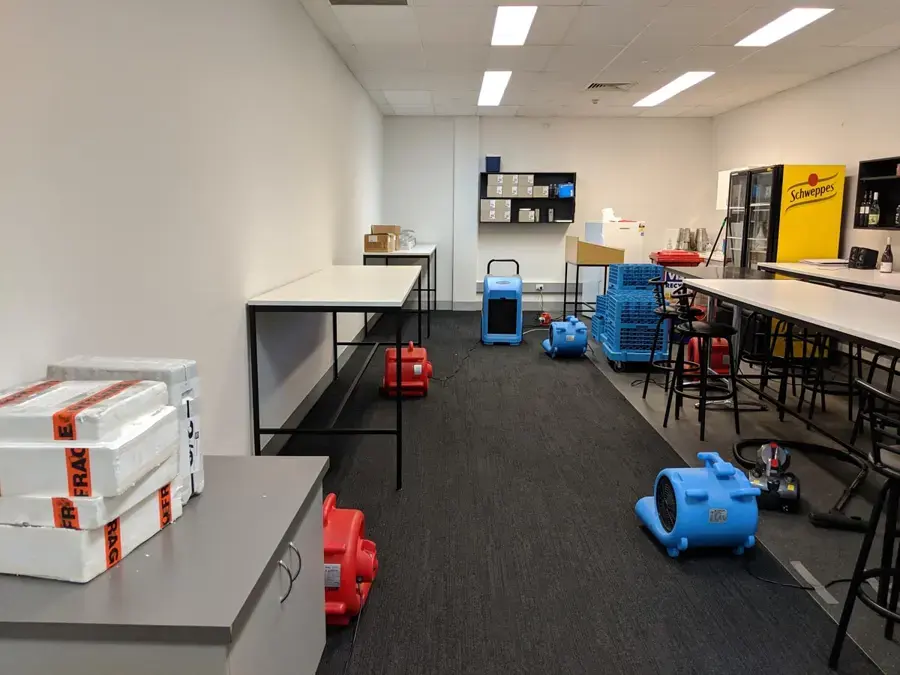
Laguna Beach is a town of canyons and hills, and when a big storm hits, runoff heads for the lowest ground, which is often the downtown core and the businesses along Laguna Canyon. A shop or gallery owner has one day to limit the loss before mud dries into the floor. This post lays out what an owner does first and how phased drying can keep a business moving.
Key takeaways
- Laguna Canyon is a documented flood path, with 14 major floods on record dating to 1937 and a December 22, 2010 storm that damaged about 90 homes and 70 businesses.
- Flood water is muddy and contaminated, so extraction comes first and mud removal follows before drying starts.
- Flood gates only help if they are installed before the water arrives; city officials said some businesses had not put theirs in before the 2010 flood.
- Stock, records and fixtures should be photographed where they sit before anything is moved.
- Phased drying lets part of a space reopen while the rest is still being dried.
Why downtown and the canyon flood
The land in Laguna Beach rises quickly from the shore into the hills and canyons of the San Joaquin Hills. Heavy rain runs down those slopes and funnels into Laguna Canyon and the downtown streets near Main Beach, Forest Avenue and Coast Highway.
The first major flood in city history came on February 6, 1937, after a two day storm dropped 5.59 inches of rain. The Laguna Canyon Flood Mitigation Task Force report counts 14 major canyon floods on record.
- December 22, 2010: a storm flooded Laguna Canyon and downtown and caused over 12 million dollars in damage to about 90 homes and 70 businesses.
- In 2010, mud and rock slides closed Laguna Canyon Road and runoff washed away part of the Main Beach area.
- February 2019: about 250 feet of a county owned flood wall near the Sawdust Art and Craft Festival grounds broke down during a storm.
The first decisions that matter
Safety and power
Do not step into moving or deep water. Cut power to the affected area from a dry location, and keep customers and staff out of flooded rooms.
Muddy canyon runoff hides trip hazards, broken glass and loose floor coverings.
Photograph before moving
Take wide and close pictures of the high mark of the water on walls, the stock, the counters and the floor. These records support the insurance claim and show the landlord what was damaged.
- Photograph inventory where it sits and again after it is moved.
- Lift paper records, art and electronics onto dry, high surfaces.
- Write down what was lost, with approximate values, while memory is fresh.
Extraction first, then mud, then drying and checks
The order of work is set by the water. Flood water is removed first, because it keeps soaking into floors, walls and fixtures while it stands there.
Mud and silt come next, since they are heavy, abrasive and carry contamination. Only after that does structured drying with air movers and dehumidifiers make sense.
Display fixtures, counters and the bottoms of walls are checked first, since they sit where the water stood. Meters show whether a wall that looks dry is still wet inside, and readings are repeated until they match a dry reference.
The Laguna Beach hub page lists the other water problems the town sees, which helps an owner see how this loss compares with a pipe break or a roof leak.
- Truck mounted and portable extraction removes standing water.
- Mud and debris are shoveled and rinsed from floors and baseboards.
- Wet drywall, insulation and flooring that cannot be cleaned are removed.
- Drying equipment runs until moisture meters match a dry reference.
- Floor coverings, subfloor and the base of any built in shelving.
- Drywall and baseboards on the walls facing the street or the canyon.
- Electrical outlets, point of sale equipment and phone wiring that sat low.
- Stock stored in boxes on the floor, which soak up water and spread it.
Keeping the business open during drying
A shop that is closed earns nothing, so the plan matters. Commercial water damage work is often phased: the worst area is dried first, while a dry back room or upper floor keeps operating.
Equipment is placed to dry the wet area without blowing humid air into the rest of the space. Walkways are kept clear and cords are routed so staff and customers stay safe.
- Phase one: the most damaged zone, with extraction and removal.
- Phase two: wall cavities and floor assemblies, with air movers and dehumidifiers.
- Phase three: monitoring and a final readings check before rebuilding.
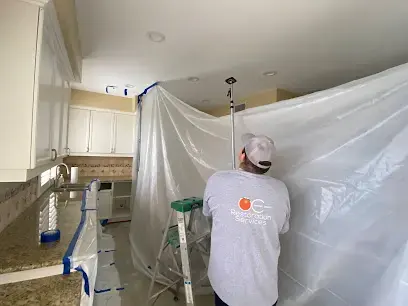
Flood gates, sandbags and preparation
City officials said some businesses had not put in their flood gates before the 2010 flood. After that storm the city formed a Flood Mitigation Task Force and a Disaster Preparedness Committee.
Preparation is cheap compared with a flooded floor. An owner can check each gate, keep sandbag supplies and decide in advance who closes the shop and shuts off power when a heavy storm is forecast.
- Test and install flood gates before the rainy season begins.
- Keep a short list of what gets lifted first.
- Know where the main shutoff and the electrical panel are.
Storms versus pipe breaks, and talking to the landlord
A burst pipe releases clean water on a known schedule. Storm runoff arrives dirty, in volume and often with little warning, and it can leave silt in carpet seams and wall bottoms for weeks if it is not cleaned out.
The storm water damage page for the town covers the residential side of the same events, including how runoff from Laguna Canyon reaches ground floor homes.
A tenant owner should tell the landlord quickly, since the building and the tenant space may be covered under different policies. A written log of dates, calls and photos helps both sides.
Ask the restoration team for the moisture readings and a written scope, so the insurer can see what was dried and what was removed.
Questions
Is canyon flood water considered clean water?
No. Runoff picks up mud, oil and debris and is treated as contaminated. Porous materials that sat in it are usually removed.
How fast does the water need to be removed?
As fast as possible. Water that stands soaks into flooring, walls and fixtures, so extraction is the first step before cleaning and drying.
Can part of the shop stay open?
Often, yes. Drying is phased so the worst area is handled first and dry sections can keep working, depending on safety and what the building allows.
What records should the owner keep?
Dated photos of the water mark, stock and fixtures, a list of lost items with approximate values, the moisture readings and the drying scope.
When should flood gates go in?
Before the heavy rain, not during it. City officials said some businesses had not installed theirs before the December 2010 flood.