Water Damage Restoration in Laguna Hills
Burst pipes, ceiling leaks, failed appliances and sewage backups in Laguna Hills homes, condominiums and offices are handled with extraction, moisture mapping and structural drying, then documented for the insurance claim.
(888) 450-9281Call a Laguna Hills water damage crewDaily readings, photos and equipment records are kept so the adjuster can follow the drying.
What to do while the water is still spreading
- 1
Stop the source
Close the main shutoff valve for a pipe or fixture leak. Leave the breaker alone if standing water is near the panel.
- 2
Call for extraction
Early removal keeps water from wicking into drywall and subfloor, which shortens the drying and limits demolition.
- 3
Lift what you can
Move small furniture, rugs and electronics out of the wet area, and prop up upholstery on foil or wood blocks.
- 4
Photograph the damage
Take photos and short video of the water, the wet items and the source before anything is moved or thrown out.
- 5
Notify the insurer
Report the loss to the insurance company, and tell the landlord or association if the home is rented or part of a condominium.
Water damage services for Laguna Hills homes and offices
Each service below covers a different way water gets into a Laguna Hills building, from a slow pipe leak inside a wall to a sewage backup, and each opens its own local page.
 Most common in Laguna Hills
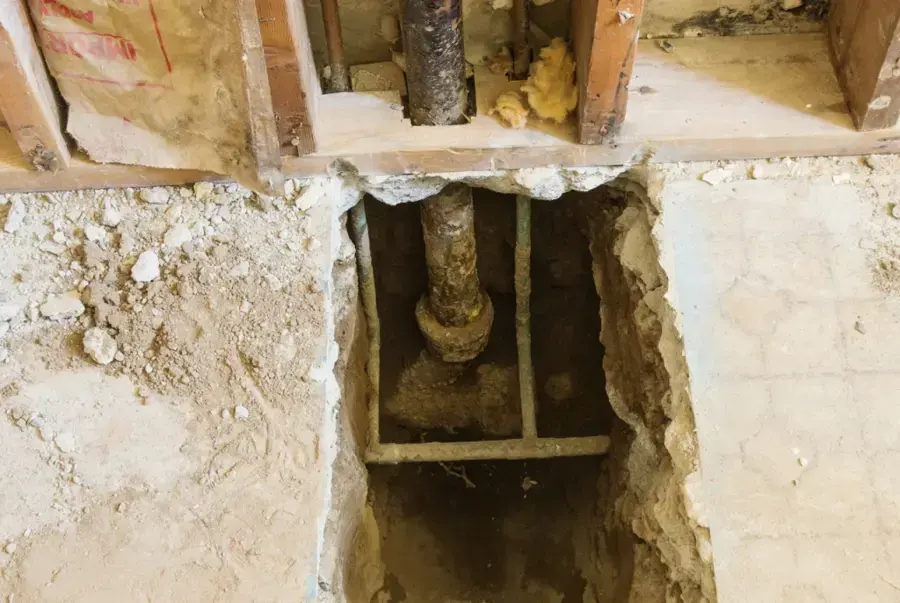
Slab Leak Water Damage
Moisture mapping traces a leak under the floor, then the slab and flooring above are dried.
See slab leak water damage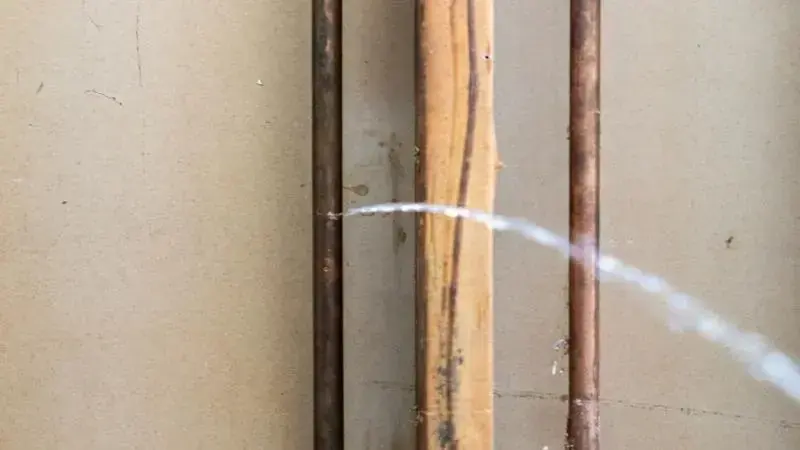 Most common in Laguna Hills
Copper Pinhole Leak Water Damage
Slow leaks inside walls and ceilings are found with meters, opened small and dried in the cavity.
See copper pinhole leak water damage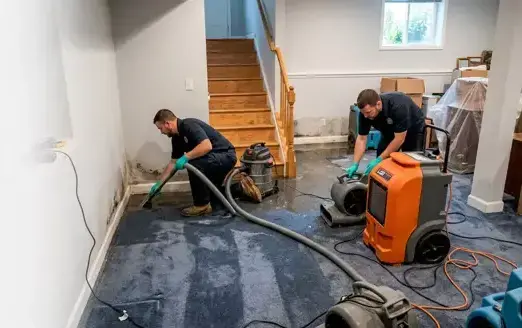
Emergency Water Extraction
Standing water is pulled from carpet and hard floors before it travels into walls and rooms below.

Burst Pipe Water Damage
A split supply pipe or failed fitting floods fast, so shutoff and extraction come first.
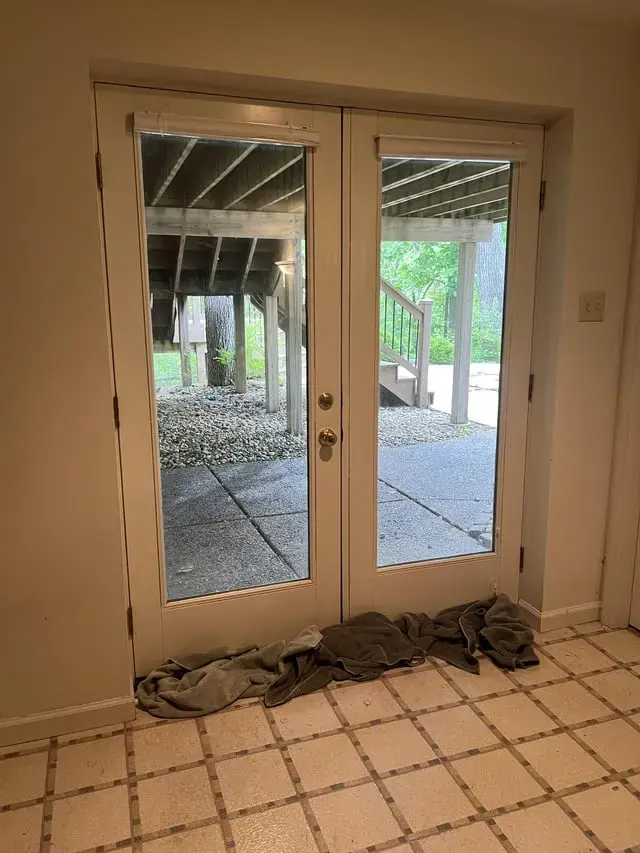
Storm and Hillside Runoff Water Damage
Storm water that enters a garage or lower room is extracted, cleaned and dried.
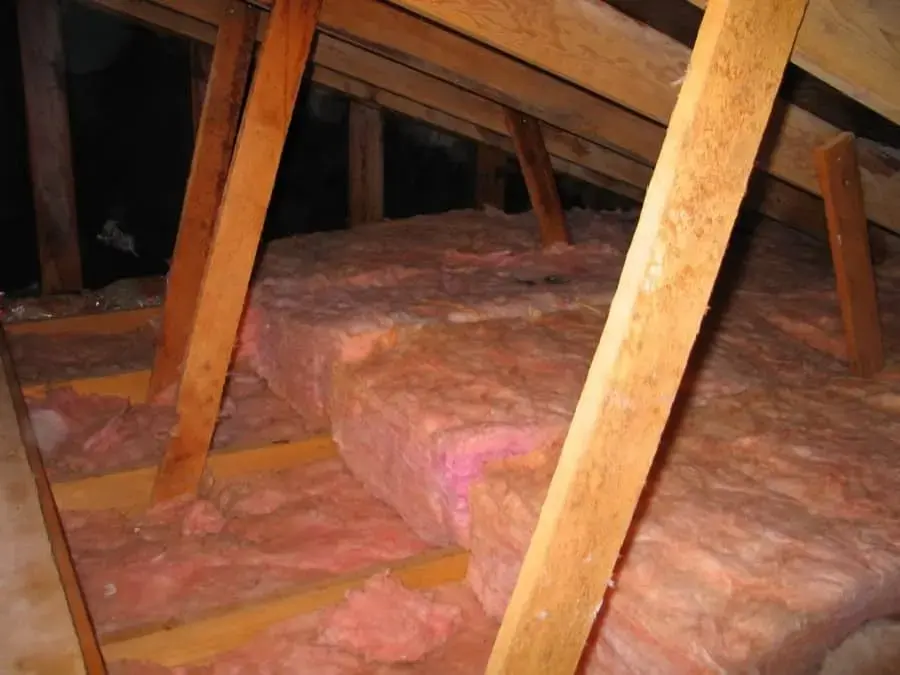
Roof Leak Water Damage
Rain past weak flashing or tile wets attic insulation and ceilings, which are opened and dried.
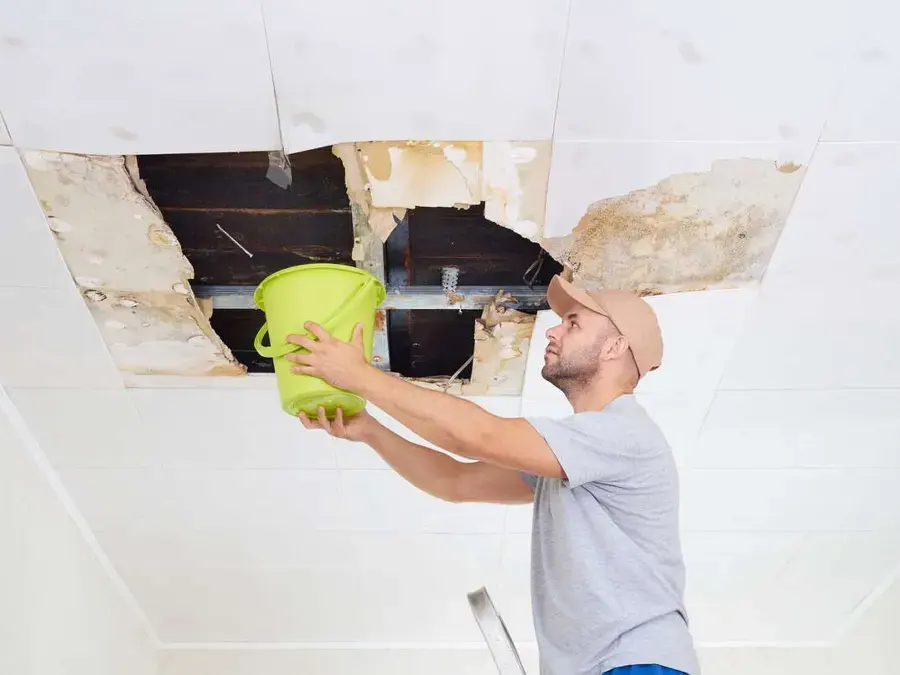
Ceiling Leak Water Damage
A ceiling stain may come from the roof or a unit above, so the source is traced first.
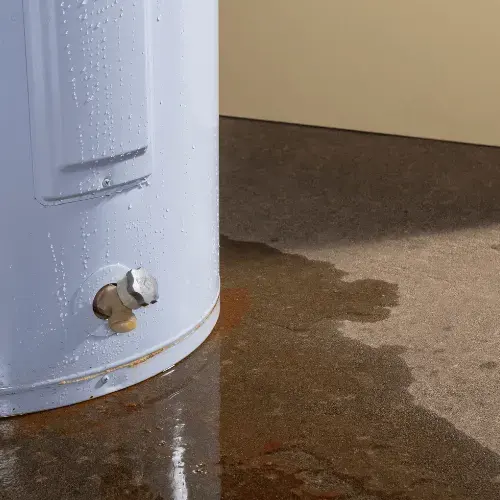
Water Heater Leak Cleanup
A leaking water heater is shut off, the water extracted and the wet walls and flooring nearby dried.
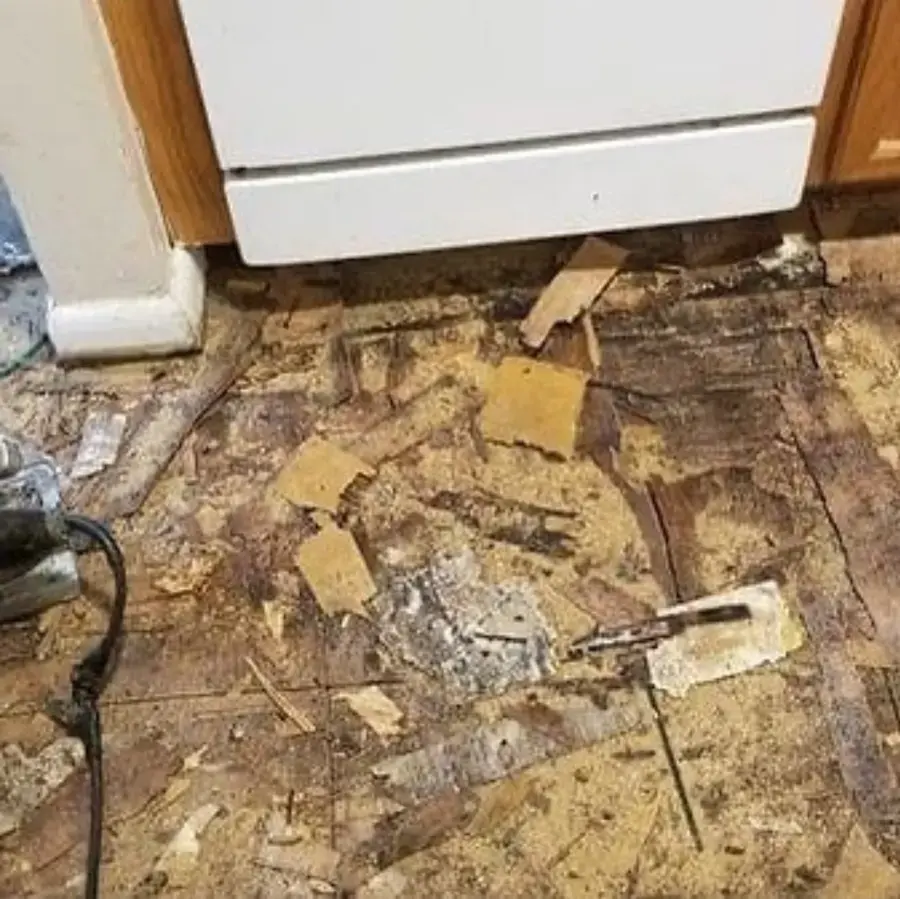
Appliance Leak Water Damage
Washer, dishwasher and refrigerator leaks are extracted and dried, including cabinet bases and the floor beneath.
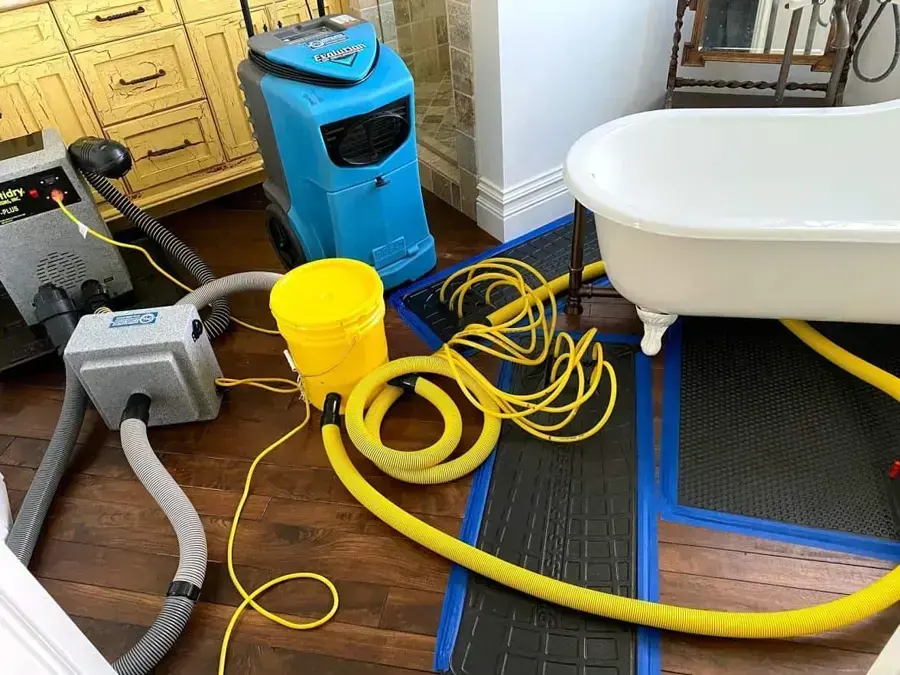
Bathroom and Shower Leak Water Damage
Toilet, shower and tub leaks are traced with meters, then wet walls and floors are dried.
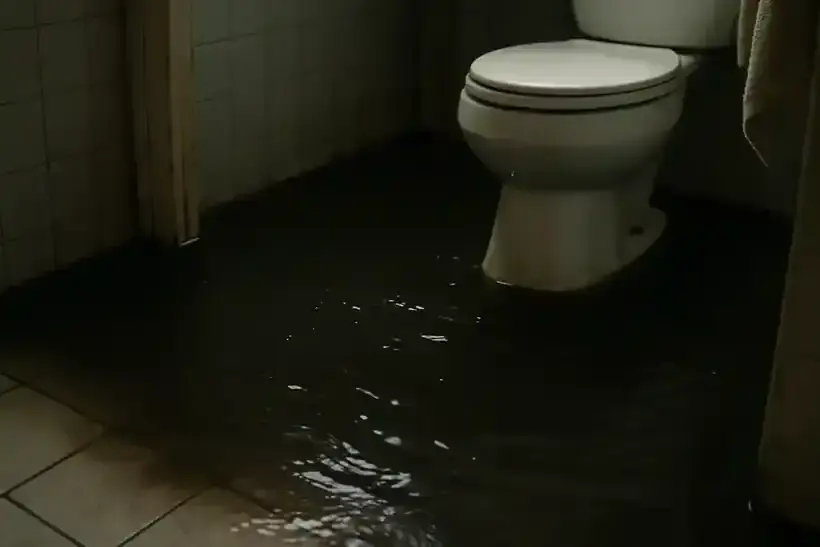
Sewage Backup Cleanup
Sewage backups call for containment, protective gear, removal of soaked materials and antimicrobial cleaning.
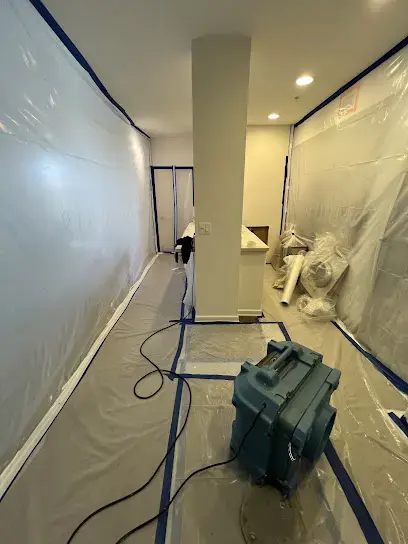
Condo and Townhome Water Damage
Leaks often cross between condominium and apartment units, so each unit is mapped and its drying documented.
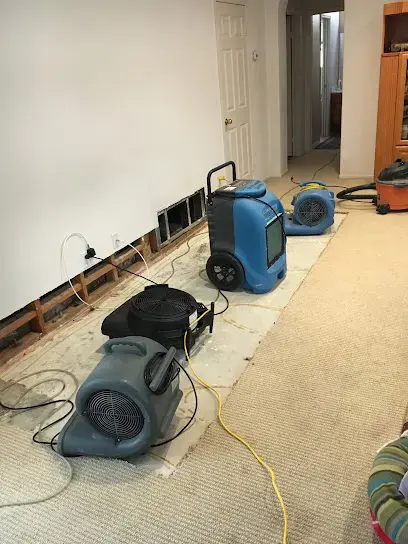
Structural Drying and Dehumidification
Readings steer where air movers and dehumidifiers go until wet framing, subfloor and drywall reach the goal.
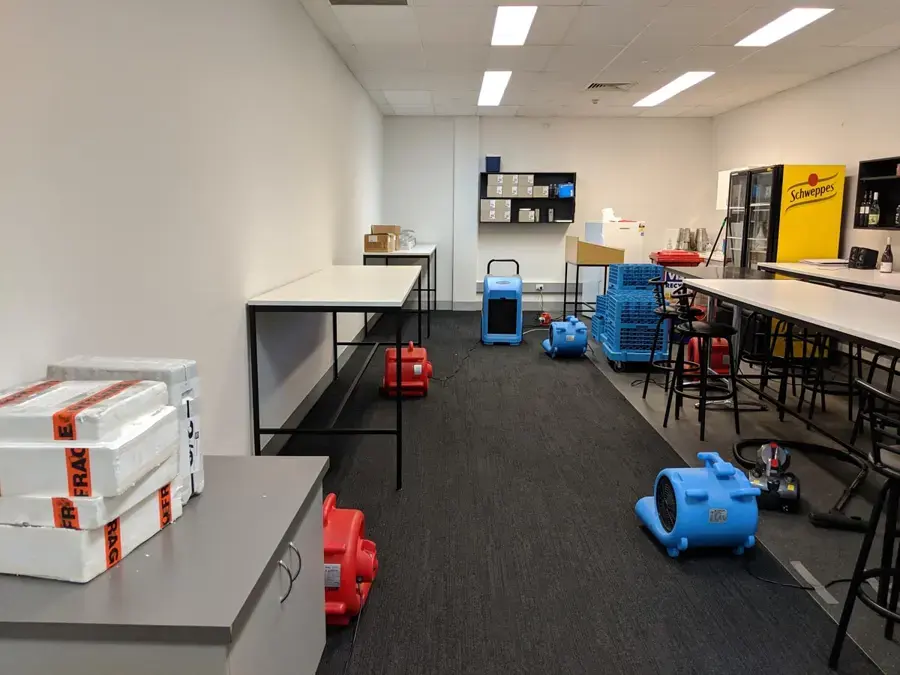
Commercial Water Damage
Offices, medical suites and retail spaces get phased drying zones and daily logs for the owner.
What water damage restoration usually costs in Laguna Hills
The final price depends on how far the water spread, how long materials stayed wet and whether the water was clean, gray or contaminated. Typical tiers are shown below, from a small clean-water leak to a large contaminated loss.
Minor clean-water leak
$1,400 to $4,500- Water extraction from carpet and floors
- Air movers and a dehumidifier
- Daily moisture readings logged
Several rooms or wet walls
$4,500 to $14,000- Wet drywall and flooring removed where needed
- Wall cavities opened and dried
- Equipment sized for each room
Large or contaminated loss
$12,000 to $35,000- Containment and HEPA air scrubbers
- Soaked materials removed and bagged
- Antimicrobial cleaning of surfaces
Final pricing comes from an on-site inspection with moisture readings. When the loss is part of an insurance claim, the written scope and daily logs let the adjuster review the same numbers the crew used.
How the water category changes the job
Clean water leaks
A supply pipe, tub overflow or appliance hose releases clean water, which is extracted and dried quickly before it turns gray.
Burst pipe water damageStorm and runoff water
Storm water picks up soil and debris, so wet porous materials are usually removed and the area cleaned before drying.
Storm water damageSewage and black water
Sewage carries bacteria, so the area is contained, protective gear is worn and soaked materials are removed.
Sewage backup cleanupA drying goal that is measured, not guessed
Drying follows the S500 water damage standard: affected materials are mapped, equipment is sized to the room, and the work continues until readings in wet framing and flooring match dry reference points taken in unaffected areas of the same home.
- 1
Map the moisture
Meters and a thermal camera show which walls, floors and ceilings are wet, so drying targets the real boundary of the loss.
- 2
Remove soaked materials
Saturated pad, wet insulation and drywall that cannot recover are cut out so air can reach the framing behind them.
- 3
Place the equipment
Air movers and low-grain dehumidifiers are sized to the room volume and the materials involved, then moved as readings change.
- 4
Confirm the dry goal
Final readings are compared with dry reference points, and the photos and daily logs are assembled for the claim file.
Restoration matched to the way Laguna Hills homes are built
Laguna Hills is almost entirely built out, and a large share of its housing dates from 1970 to 1989. Water losses there mix single-family homes, condominiums, apartments and mobile homes, so each job starts with finding where the water actually went.
Round-the-clock response
Calls are taken around the clock, and extraction starts once the crew is on site, because water keeps spreading through materials.
Drying to the S500 goal
Equipment stays until readings match dry reference points, not until a surface feels dry to the touch.
Claim-ready records
Moisture logs, photographs and equipment lists are kept for each visit so the adjuster can verify the scope.
Orange County know-how
The crew works in multi-level condominiums, single-family homes and offices, and knows how water moves through each.
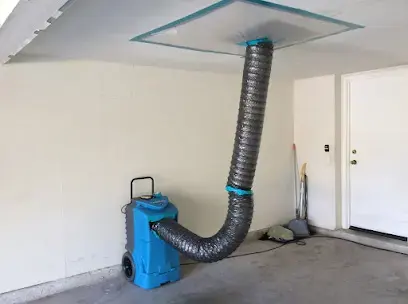
What the claim file contains
Each file carries the same set of records so an adjuster can check the work against the policy.
- Dated photographs of the damage taken before any demolition begins
- Moisture readings for each wet material, room by room
- Daily temperature and humidity logs from the drying equipment
- A record of every piece of equipment placed and removed
- A written scope that matches the final invoice item by item
If you file yourself
Homeowners can open the claim without waiting for the restoration crew: report the loss, describe the source of the water and ask what the policy says about mitigation costs. Keep receipts for supplies and temporary housing.
Renters should notify the landlord and their own renter policy. In Laguna Hills, 25.3% of units were renter-occupied at the 2010 census, so many leaks involve a landlord or an association.
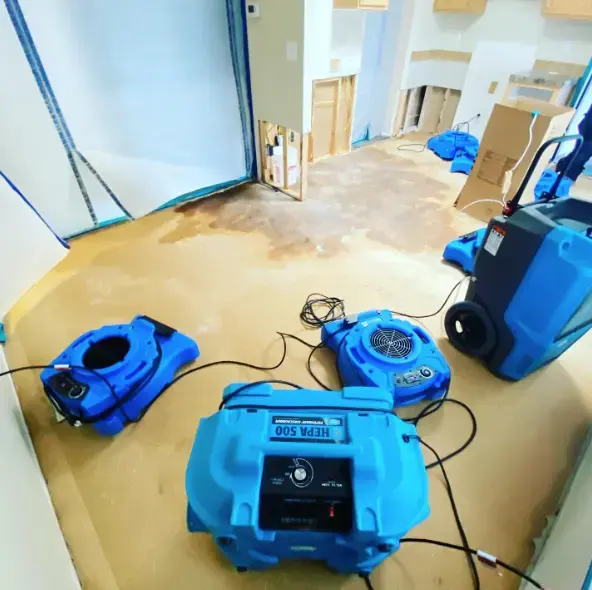
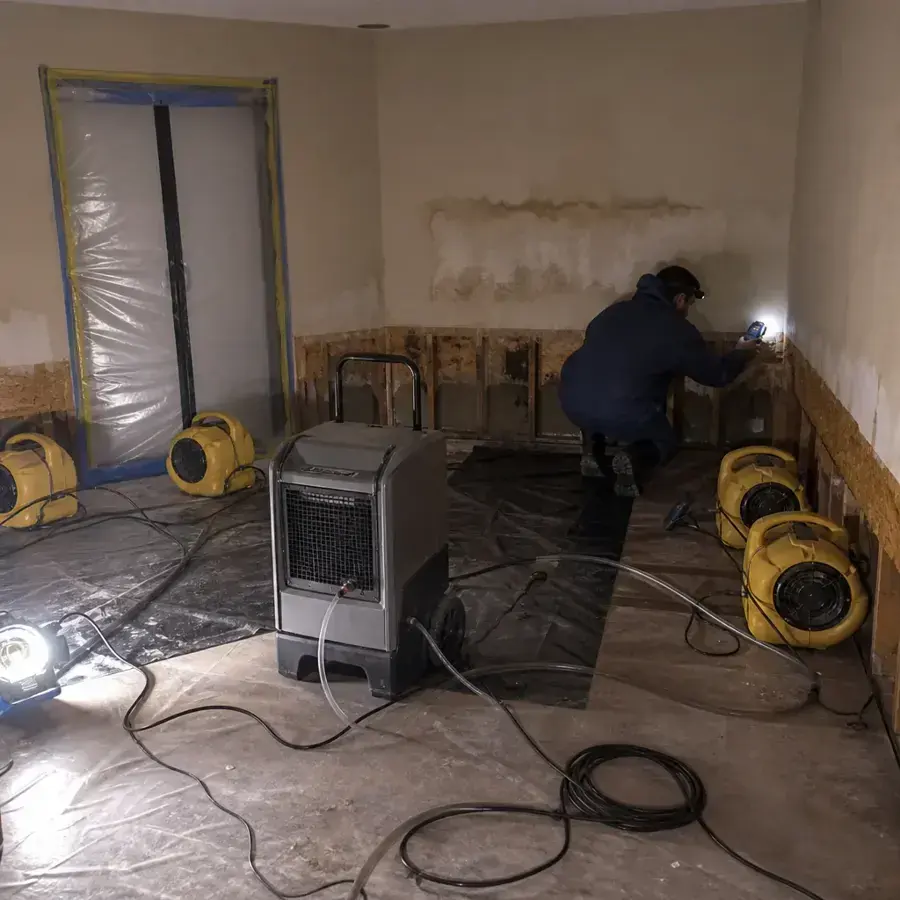
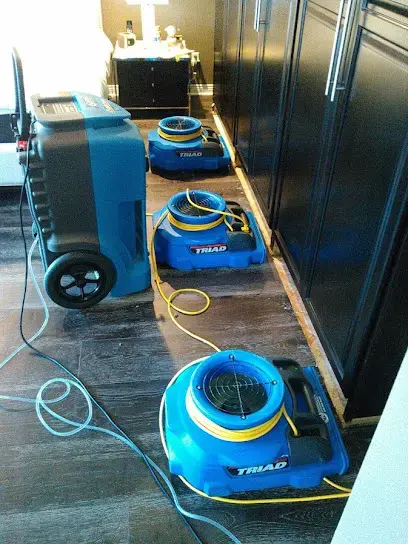
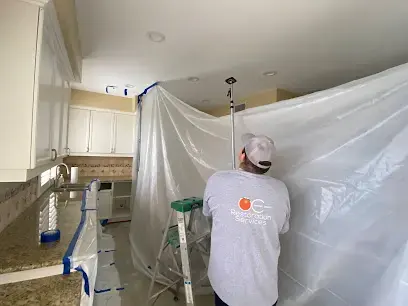
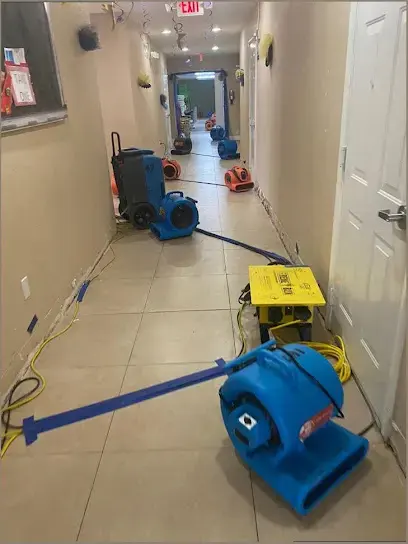
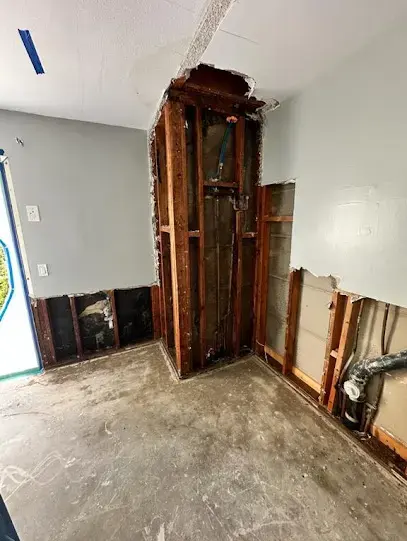
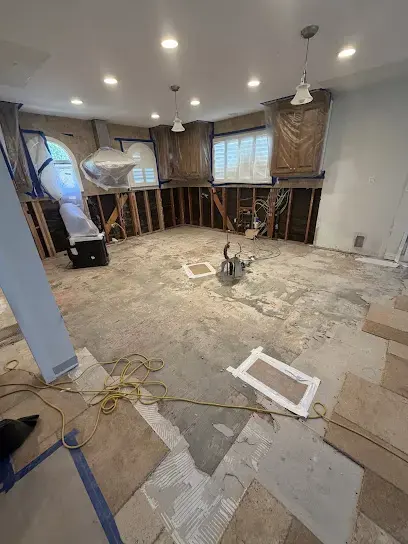
Equipment and containment on typical water damage jobs
Laguna Hills neighborhoods, corridors and ZIP codes covered
Neighborhoods and corridors
ZIP codes
What shapes water damage risk in Laguna Hills
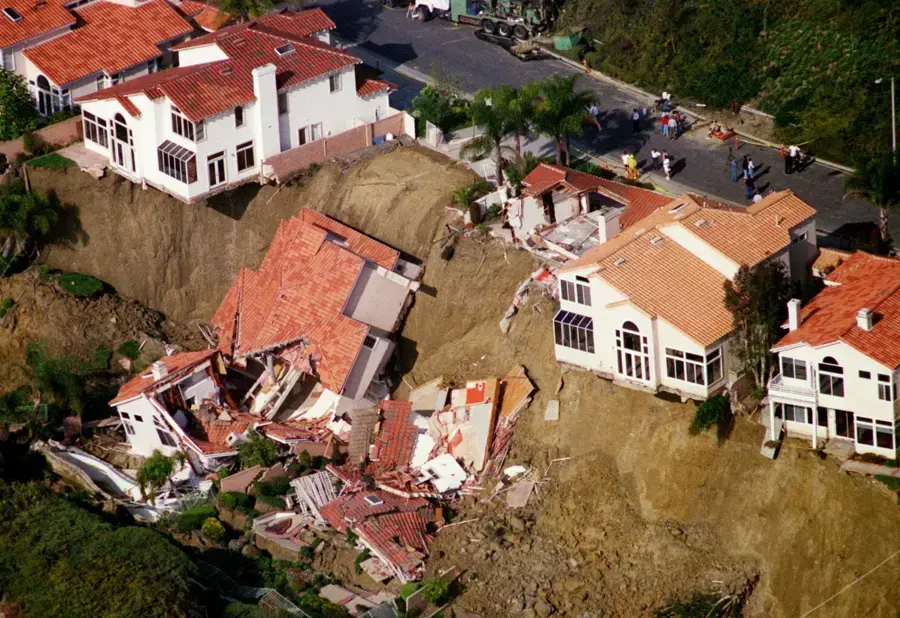
First Street's flood model rates Laguna Hills as minor flood risk, with 179 properties, or 2.5%, exposed over the next 30 years. Most water losses start indoors, from pipes, appliances and roofs, so indoor sources matter as much as storm water for homeowners and tenants.
- Storm drains: The city's storm drain system is separate from the sewer, and street water in it goes untreated to creeks and eventually the ocean.
- Sewer service: Wastewater comes from Moulton Niguel Water District or El Toro Water District depending on the area, and sewage cleanup follows the same containment steps either way.
- Housing mix: Detached homes, condominiums, apartments and mobile homes all appear in the city, and 36.7% of homes were built from 1970 to 1979.
- Rented homes: With 25.3% of units renter-occupied at the 2010 census, a leak often involves a landlord or an association as well as an owner.
- Built-out city: Because almost no vacant land remains, change comes through infill and redevelopment, including the Village at Laguna Hills on the former mall site.
- December 14, 2021
A flash flood warning for Orange County named Laguna Hills among areas that might see flash flooding.
- December 20, 1991
Laguna Hills became a city, and later growth has been infill on already built land.
- 2009
The Laguna Hills Mall was repositioned as a lifestyle center, and its site is being redeveloped.
Laguna Hills water damage questions
What should be done first after a pipe bursts in Laguna Hills?
Close the main shutoff valve, stay away from the electrical panel if water is near it, and call for extraction. Photograph the water and the source before anything is moved. See burst pipe water damage for the full process.
How much does water damage restoration cost in Laguna Hills?
Typical jobs run from $1,400 for a small clean-water leak to $35,000 for a large contaminated loss. The range depends on the rooms affected, the water category and how long materials stayed wet.
Does homeowners insurance cover water damage in Laguna Hills?
Sudden and accidental leaks are commonly covered, while slow, long-running leaks may not be. The policy decides, and the dated photos, readings and logs give the adjuster what is needed to review the claim.
Who pays for a sewage backup in a condominium?
It depends on where the blockage sits. A shared drain usually points to the association, while a fixture inside the unit usually points to the owner. Cleanup can start before the cause is settled.
How is a leak between two condominium units handled?
Both units are mapped, the shared wall and ceiling are opened where wet, and records are kept for each unit separately. See condo and townhome water damage for more.
Is storm water in a garage handled differently from a pipe leak?
Yes. Storm water carries soil and debris, so porous materials are more likely to be removed and the area cleaned before drying, while a clean supply leak can often be dried in place.
How do you know when a home is dry?
Meters read wet framing, subfloor and drywall, and those readings are compared with dry reference points. Drying stops when the materials reach the goal, not when the surface feels dry.
Does a minor flood risk rating mean storm damage is unlikely?
Not necessarily. First Street rates Laguna Hills as minor flood risk, yet a December 14, 2021 flash flood warning still named the city. Roofs, drains and pipes cause losses at any rating.
Which parts of Laguna Hills are covered?
The crew covers ZIP codes 92653 and 92654, including Nellie Gail Ranch, North Laguna Hills and the corridors along El Toro Road, Oso Parkway and La Paz Road.
Can offices and medical buildings get water damage service?
Yes. Commercial work uses phased drying zones so tenants can keep working where possible, with daily logs for the building owner. See commercial water damage.
Need help with water in a building?
Call to talk through the source of the water, the rooms affected and what extraction and drying the job needs from the crew.
Standing water in Laguna Hills should not wait
The longer drywall, pad and framing stay wet, the more of them must be removed. A call starts the extraction, mapping and drying plan for the home, condominium or office in question.
(888) 450-9281Talk to a Laguna Hills crew- Laguna Niguel, CA · Orange County
- (888) 450-9281, open 24/7
- Dried to the IICRC S500 standard
- Find us on Google