Laguna Hills gets most of its rain in winter, and when a storm arrives, the roof is the first thing to be tested. Much of the city's housing dates to the 1970s and 1980s, which means flashing, tile and sealant have had decades of sun and weather. This post covers how to contain a leak, what the water does in the attic and how the ceiling gets dried.
Key takeaways
- About 36.7% of Laguna Hills homes were built from 1970 to 1979 and 39.2% from 1980 to 1989, so many roofs have aged flashing and sealant.
- A December 14, 2021 flash flood warning named Laguna Hills, a reminder that heavy rain can arrive fast.
- Contain the drip, protect the floor and belongings, and move out of the way of any sagging ceiling.
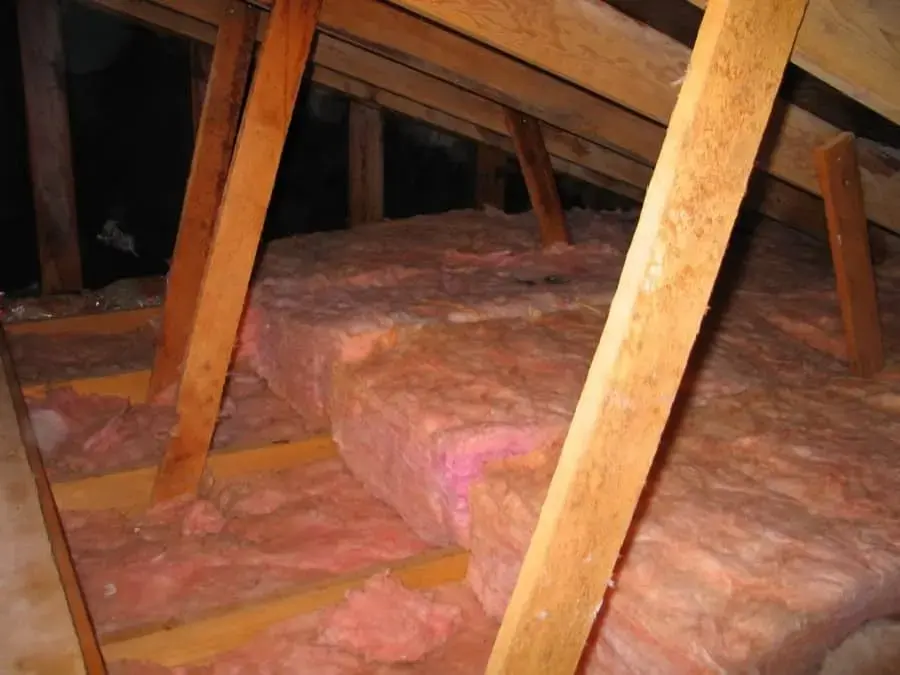
- Roof leaks wet attic insulation first, so a stain below can mean a large wet area above.
- Roofing repair and water damage drying are separate jobs that can run side by side.
Why older roofs leak in winter
Laguna Hills is almost entirely built out, and its housing element says 36.7% of homes were built from 1970 to 1979 and 39.2% from 1980 to 1989. Those roofs have been through many seasons of sun, wind and rain.
Winter storm rain tends to find weak spots: cracked tiles, dried sealant, loose flashing around vents and chimneys and the edges where roof meets wall.
- Flashing around a chimney, skylight or vent pipe that has pulled loose.
- Tiles that have slipped or cracked, exposing the underlayment.
- Gutters and downspouts that overflow against the fascia.
- Roof to wall joints where sealant has dried and cracked.
What to do while it is still raining
Contain the water
Put a bucket or a tub under the drip and lay towels around it. If a ceiling is bulging, place a bucket below and carefully release the trapped water from the lowest point.
Protect the contents
Move furniture, rugs and electronics away from the wet area. Cover large pieces with plastic sheeting if they cannot be moved.
- Do not stand under a sagging ceiling.
- Turn off light fixtures and ceiling fans that sit under a wet area.
- Take photos of the stain, the drip and the sky outside for the record.
What the water does above the ceiling and after the rain
Roof water rarely goes straight down. It runs along rafters and the top of the drywall before it finds a low point and shows up as a stain.
By the time a spot is visible below, the insulation above may already be soaked across a wider area.
A roof can keep leaking after the sky clears, because water trapped in the attic keeps working its way down. A stain that grows, a drip that continues overnight or a musty smell in a closet all mean there is still water moving.
Checking the next morning, when the house is quiet, tells more than a quick look during the storm.
- Wet insulation loses its value and holds water against the drywall.
- Wood framing stays damp when the attic has little airflow.
- Drywall can sag, stain or crumble at the seams.
- Nails and screws rust and leave stains that bleed through paint.
- A stain that has darkened or spread since the day before.
- Paint that bubbles or drywall tape that lifts at a seam.
- A drip that continues when the rain has stopped.
- A damp smell near a ceiling vent or light fixture.
How the attic and ceiling are dried
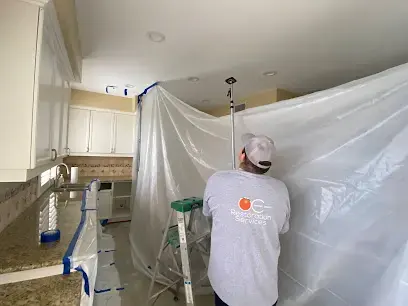
The work begins with tracing the leak into the attic using moisture meters and a thermal camera, which shows where the wet insulation sits. A roof leak water damage job pulls wet insulation, then dries framing and drywall that can be kept.
Drywall that has sagged or lost its strength is cut out back to a dry edge. Air movers and dehumidifiers dry the remaining bays, and readings are compared with a dry reference.
When the leak comes from the floor above or the neighbors
Laguna Hills also has condominiums, apartments and mobile homes in its housing mix. Not every ceiling stain comes from the roof, so check whether a bathroom or kitchen sits above the spot.
If there is a second story or another unit above, the ceiling leak water damage page explains how pipe, tub and toilet leaks are found and dried.
The city's housing includes detached and attached single family homes, condominiums, apartments and mobile homes. A leak in a top floor condo unit may be the building's roof, while a leak in a house is the owner's.
In a shared building, tell the association or manager about the stain right away, so the roof and the neighboring units can be checked in one visit. The Laguna Hills hub page lists the other water problems the city sees.
- A stain that appears on a dry, sunny day is more likely a plumbing leak.
- A stain that appears only during rain points to the roof.
- A stain under a bathroom or laundry room is worth a plumbing check first.
Roof repair, drying and the records
A roofer fixes the source, and the restoration crew dries what the water reached. Neither job needs to wait for the other, and a temporary tarp can protect the house between storms.
Ask the roofer to document what was found, and keep the invoice. The main roof leak water damage page lists the full range of tile and flat roof leaks.
A roof leak claim is easier to support with a simple set of records. Take dated photographs of the stain on the ceiling, the wet insulation if it can be seen safely and any damaged belongings.
Keep the roofer's invoice and any notes about what was found, such as cracked tile or loose flashing, along with the moisture readings from the drying work.
Those records show when the leak started, what it affected and when the structure reached a dry reference, which matters if flooring or paint needs to be replaced afterward.
- Photos of the ceiling, walls and floors, with dates.
- The roofer's written findings and invoice.
- The list of items that got wet, with approximate values.
- The drying readings taken during the work.
Questions
Is a small roof leak worth drying?
Yes. Even a small drip can soak the insulation above and leave the drywall damp, and trapped moisture can cause staining and other damage.
Can a wet ceiling be saved?
Sometimes. If the drywall is still firm and the readings come down, it can be dried in place. Sagging or crumbling drywall is cut out and replaced.
Should the attic be checked after a storm?
If a stain appears, yes. The water often travels a long way along framing before it shows below, so the attic reveals how big the wet area is.
What should be photographed?
The stain, any drip, damaged belongings and the roof area if it is safe to see. Dated pictures support the insurance claim.
Do roofers and restoration teams work together?
They can work in parallel. The roofer repairs the source while the restoration team extracts water and dries the structure.