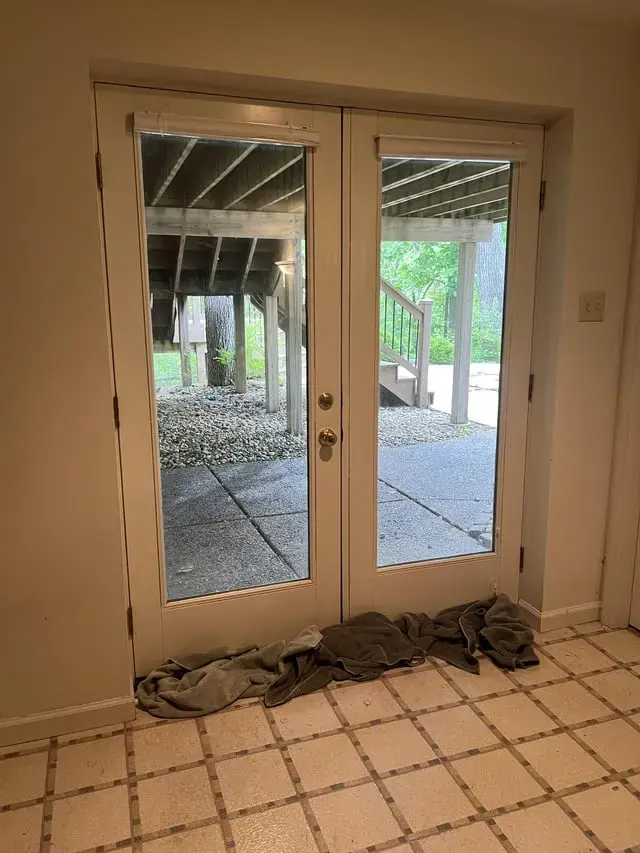
San Juan Creek and Trabuco Creek both pass through San Juan Capistrano, and the flood record here goes back to 1861. When a big storm pushes a creek over its banks, the water that reaches a house is thick with silt and debris. This post covers the first day: what to do before the water is pumped out, what the water leaves behind and how the drying is handled.
Key takeaways
- The city sits in a watershed with flood records back to 1861, so creek water in a house is a real scenario after a major storm.
- Creek water carries silt and contamination, so extraction comes first, then silt removal, then drying.
- Do not walk through moving water or touch electrical equipment that sits in a wet room.
- Many standard homeowner policies treat flood water differently from a pipe leak, so check the policy and photograph everything.
- Silt that dries in place is harder to remove, so waiting a day or two can make the loss larger.
A creek town with a long flood record
San Juan Creek and Trabuco Creek both pass through the city, and Trabuco Creek follows Ortega Highway. In 1861 and 1862, four weeks of rain left both creeks covering the town.
Later storms follow the same pattern. In 1938, nine inches of rain fell in six days and the town was isolated.
- January and February 1969: 14.56 inches of rain, with San Juan Creek peaking at 22,400 cubic feet per second on February 25.
- January 11, 2005: the flood of record, about 33,650 cubic feet per second, when the west levee inside the city nearly failed.
- December 2010: San Juan Hills Golf Club flooded, the creek lining broke, several homes were evacuated, the Mission closed and Amtrak service was suspended.
What creek water leaves in a house
Water from a broken pipe is clean at first. Creek water is not, because it carries mud, plant matter, oil and whatever else it picked up on the way.
That changes what can be saved and how the cleanup runs.
- Silt settles in carpet fibers, wall cavities and floor seams.
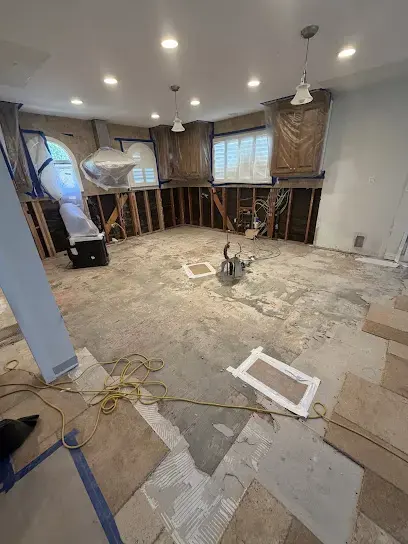
- Porous materials such as pad, insulation and low drywall are usually removed.
- Hard floors and sealed surfaces can be washed and dried.
- Furniture and stored goods that sat in the water may need professional cleaning or replacement.
What to do before the water is pumped out
Stay safe
Do not wade through moving water, and do not touch outlets, appliances or the panel while standing in a wet room. Have the power cut to flooded areas from a dry location before anyone goes back in.
Creek water can hide debris, holes and slick mud, so wear boots and gloves if entry cannot wait.
Document what happened
Photograph the water level on walls and furniture, then the silt and the damage before anything is moved. If the creek level was posted, note the time; the USGS monitors San Juan Creek water level at the La Novia Street bridge.
- Take wide and close shots of every room.
- Record the date and the approximate time the water entered and receded.
- Keep damaged items until the insurer has seen pictures or inspected them.
How extraction, silt removal and drying fit together
The first job is to get the water out. Water extraction pumps standing water from floors, which stops it from soaking further into subfloor and walls.
Next comes mud removal: shoveling, scraping and rinsing silt off hard floors, baseboards and the lower sections of walls. Only when the surfaces are cleaned can drying equipment do its job properly.
Air movers, dehumidifiers and moisture meters then dry the structure, and wet materials that cannot be cleaned are cut out. Readings are compared with a dry reference before anything is rebuilt.
Silt left to dry hardens into a crust that holds moisture against the floor and walls. It also dulls flooring finishes and clogs the drying equipment filters.
A day or two of delay can turn a surface cleanup into a larger removal job.
- Wet silt can be rinsed and extracted; dried silt has to be scraped.
- Standing water keeps wicking up drywall, so the wet area climbs the wall while the wait goes on.
- Odors set into porous materials the longer they stay wet.
Rain runoff, creek flooding and insurance
Not every storm loss involves a creek. Heavy rain can send runoff down a slope and under a door, or leak through a roof, without any creek overflow at all.
The storm water damage page for the city covers both types, and the main storm and hillside runoff page explains the outside water approach in more detail.
Flood water is often handled differently from water that comes from a broken pipe. Before cleanup begins, read the policy or ask the agent how creek water is covered, and ask about a separate flood policy through the National Flood Insurance Program.
Whatever the answer, a clear record of the damage and the drying readings makes the claim easier to support.
Belongings, and when the work is for professionals
Not everything that touched creek water has to go. Hard, non porous items such as glass, metal and sealed plastic can usually be washed and disinfected.
Porous items, including mattresses, upholstered furniture, carpet and cardboard, soak up silt and contamination and are normally discarded.
A few inches of water on a tile floor may be manageable with care. Deep water, silt in wall cavities or any water that reached outlets is a job for a trained crew.
The reason is not only the mess but the risk of hidden moisture, mud trapped behind baseboards and electrical hazards that cannot be seen from the doorway.
- Photograph each item before it is thrown out, and keep a list.
- Wash hard items with soap and clean water, then dry them fully.
- Keep sentimental items such as photographs separate, and ask a professional about drying them.
- Never run a household appliance that sat in the water until it is checked.
Questions
Is creek water safe to clean up myself?
Small amounts on hard floors can be handled with care, but silt and contamination make deep water or soaked materials a job for professionals. Always wear gloves and boots, and keep power off in wet rooms.
What is removed after a creek flood?
Porous materials that sat in the water, such as carpet, pad, insulation and low drywall, are usually removed. Hard floors and sealed surfaces can be washed and dried.
How long should I wait before starting extraction?
Do not wait. Water and silt keep soaking into the structure, and dried mud is harder to remove than wet mud.
Does homeowner insurance cover creek flooding?
Often not under a standard policy. Ask the agent about flood coverage, and document everything either way.
Can the house be dried without opening walls?
Sometimes. Moisture readings show whether wall cavities are wet, and walls are opened only where the readings say water is trapped.