Most water damage starts with a pipe, but on the Dana Point coast it can arrive from the Pacific. Beachfront and bluff homes can take on wave and tide water, and that water brings salt, sand and debris indoors with it. This post explains what to do first when surf reaches a house, why it differs from a plumbing leak and how extraction and drying are handled.
Key takeaways
- Surf and tide water is not clean water: it carries salt, sand and debris, and it is treated as contaminated.
- The August and September 2026 swell damaged homes on Beach Road in the Capistrano Bay District and led Dana Point and Laguna Beach to declare a local emergency.
- If the city has posted a home as unsafe, the first priority is to stay out and follow the notice.
- Salt left on floors and framing keeps attracting moisture, so the work includes rinsing and then drying, not only pumping.
- Photographs taken before cleanup begins support both the insurance claim and any emergency coastal permit questions.
When wave water reaches a Dana Point home
Dana Point sits directly on the Pacific, and the local flood record is mostly coastal. In May 2015, large swell flooded the Capistrano Beach parking lot and pushed sand inland.
In August and September 2026, Hurricane Marie swell, tides and erosion damaged homes on Beach Road in the Capistrano Bay District. The first damaged home was found August 28, when a residential deck was destroyed.
- The City placed red and yellow tags on damaged Beach Road homes and advised residents to vacate unsafe ones.
- Dana Point and Laguna Beach declared a local emergency over the coastal erosion and flooding.
- Crews installed boulder revetments behind homes as emergency protection, and the California Coastal Commission approved emergency coastal development permits.
Why surf water is different from a pipe leak
Water from a broken supply pipe starts out clean. Surf water does not, and the difference changes how the cleanup is done.
Restorers treat floodwater from outside as contaminated, because it picks up sand, silt, oil and whatever else was in its path.
- Salt stays behind after the water is gone and draws moisture from the air.
- Sand and debris scratch flooring and clog drains and equipment.
- Porous materials such as carpet, pad and insulation that sat in this water are usually removed rather than saved.
- Hard surfaces such as tile and sealed concrete can be cleaned and dried.
What to do first
Safety before anything else
If a home has been red or yellow tagged by the City, the notice comes first. Residents were advised to vacate unsafe homes, and going back inside before it is cleared puts people at risk.
Keep out of rooms with sagging ceilings, undermined decks or water near outlets. Have the power cut to flooded areas before anyone steps in.
Document, then start removing water
Take wide and close photographs of the high mark of the water, the debris and every damaged item before anything is moved. Note the date and the time of the high tide when the water came in.
Then call for extraction. Standing water that sits on a floor keeps pushing salt and silt into the materials beneath it.
- Photograph the walls, floors, furniture and any structural damage to decks or stairs.
- Move valuables and electronics to a dry upper level if it is safe to do so.
- Do not run a household vacuum on wet floors.
How extraction, checks and drying handle surf damage
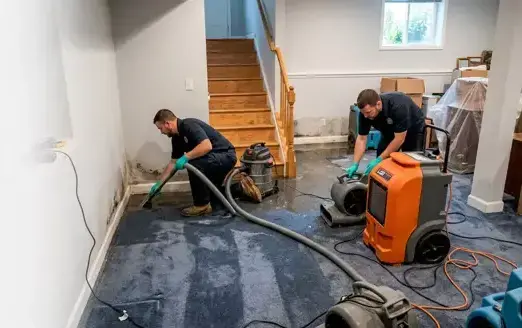
The first stage is bulk removal. Truck mounted and portable pumps pull standing water, silt and debris off the floor, which is the heart of water extraction work in a coastal home.
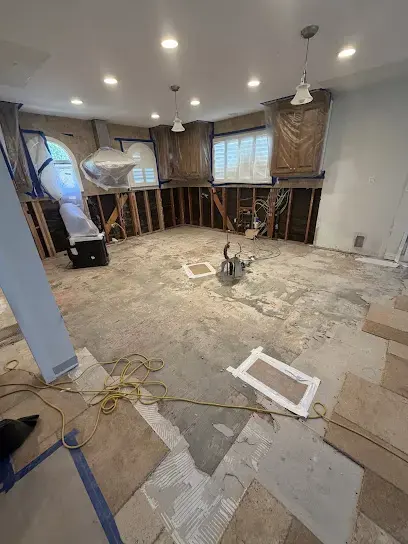
After that, wet carpet, pad and low drywall that cannot be cleaned are removed, and hard floors are rinsed to take off salt film. Air movers and dehumidifiers dry the rest while meters track the readings.
After the standing water is pumped out, the work is not finished. Meters are pressed against walls, flooring and cabinet bases to find moisture that is hiding where the surface looks dry.
A coastal loss can also leave sand packed under baseboards and inside door tracks, so those spots are cleaned before drying equipment is set.
- Extraction of standing water and the heavy silt.
- Removal of porous materials that soaked in contaminated water.
- Rinsing of hard surfaces to remove salt residue.
- Drying with air movers and dehumidifiers until readings match a dry reference.
- Sand and silt under baseboards, thresholds and sliding door tracks.
- Salt film on tile, sealed concrete and hardwood.
- Wet insulation and the bottom of drywall on exterior walls.
- Electrical outlets and low switches that were under water and need an electrician.
Rain, storm drains and surf are separate problems
A winter storm that sends runoff into a garage is a different loss from a swell that comes in off the ocean, even if both end with wet floors. Dana Point has 525 drain inlet inserts that are inspected quarterly, and street water can still reach a low entry.
For rain runoff and creek water, see the storm water damage page for the town. Surf is a coastal event, and the first steps lean on salt, sand and safety rather than drainage.
Renters, attached homes and the next high tide
About 41.4% of Dana Point homes were rented at the 2010 census, and many coastal homes are part of attached buildings. A flooded ground floor unit can affect neighbors above and beside it.
If the building has an owner or an association, tell them right away so the damage and the response are recorded in one place.
Surf damage often arrives in more than one wave, and a dried room can be hit again by the next tide. If there is still a risk of repeat flooding, the plan should include where to move belongings and how to reach the shutoff and the breaker panel.
After the water recedes, ask the contractor about a second round of moisture readings, since salt can keep slab and framing damp longer than expected.
The Dana Point page lists the other water problems the coastal city sees, and the main water extraction page explains the pump and rinse process step by step.
- Renters should tell the owner in writing and keep copies of the message and any reply.
- Owners of attached homes should note which shared walls and ceilings are wet.
- Both should keep receipts for any emergency purchases such as pumps or storage.
Questions
Is seawater in a house treated like a pipe leak?
No. Surf water carries salt, sand and debris and is treated as contaminated, so porous materials that soaked in it are usually removed and hard surfaces are rinsed and dried.
Can carpet be saved after a surf flood?
Carpet and pad that sat in contaminated water are normally removed. Hard surfaces such as tile and sealed concrete can be cleaned and dried.
What should be done if the City has tagged the home?
Follow the notice. Residents were advised to vacate unsafe homes, so do not go back in until the tag is cleared.
Why does salt matter after the water is gone?
Salt attracts moisture from the air, so floors and framing can stay damp. Rinsing and then drying the area removes the film that keeps pulling moisture in.
What proof helps with an insurance claim?
Dated photographs of the water, the debris and every damaged item, plus the drying readings and receipts for emergency costs.